Udalguri, Assam: Sustainable change starts with people—and in Udalguri, the conversation is already taking root.
Throughout May and June 2026, the School of Livelihood and Rural Development (SLRD) stepped deeper into the field, engaging with farming communities and assessing local sites as it prepares the ground for the upcoming Integrated Circular Economy Program.
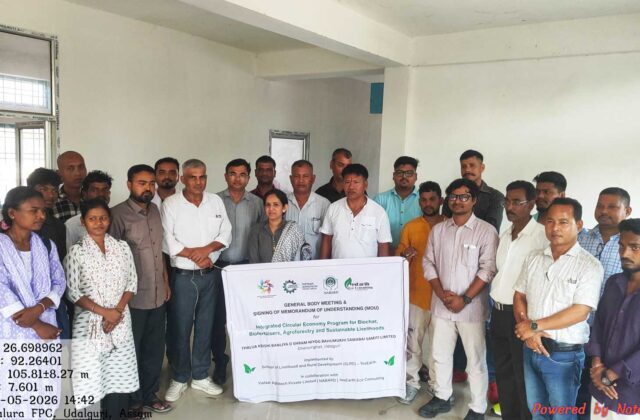
Starting with the Community
Before new ideas can take root in a field, they need to take root in the community.
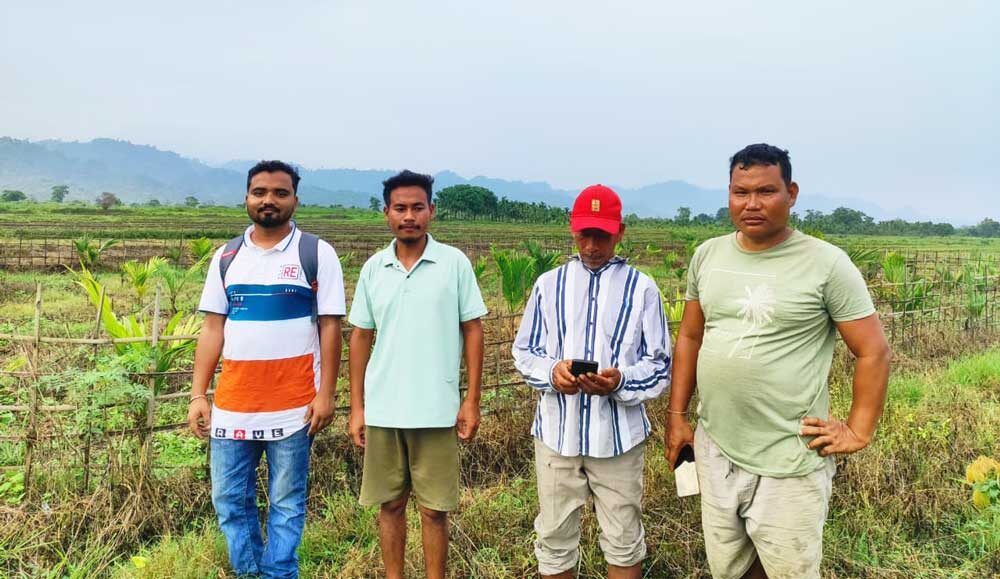
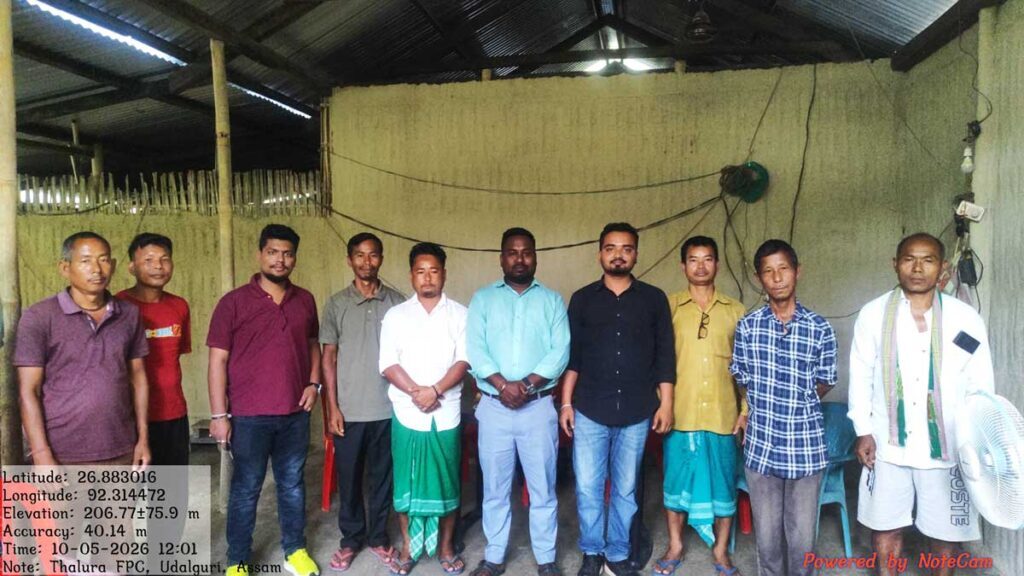
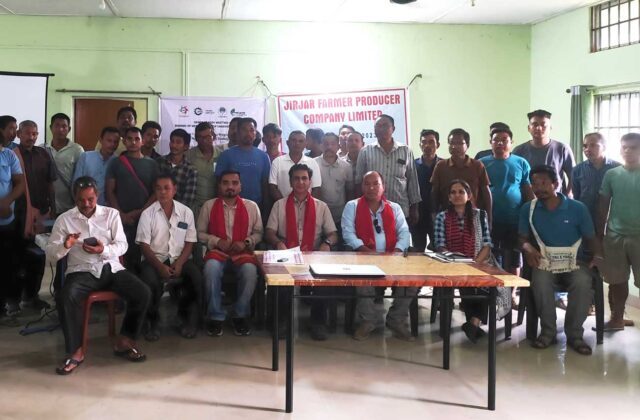
On May 10 and 11, SLRD held sensitization meetings with farmers and members of the Thalua Cooperative Society. The sessions created an open space for farmers to ask questions, exchange views, and explore what sustainable agriculture could mean for their farms and livelihoods.
The discussions focused on the potential of sustainable agroforestry and high-value aromatic crops to create new economic opportunities while making better use of local resources.
More importantly, the engagement put farmers at the centre of the conversation—helping ensure that the proposed interventions reflect local needs, knowledge, and aspirations.
From Conversation to Field Assessment
The next step was to get closer to the land itself.
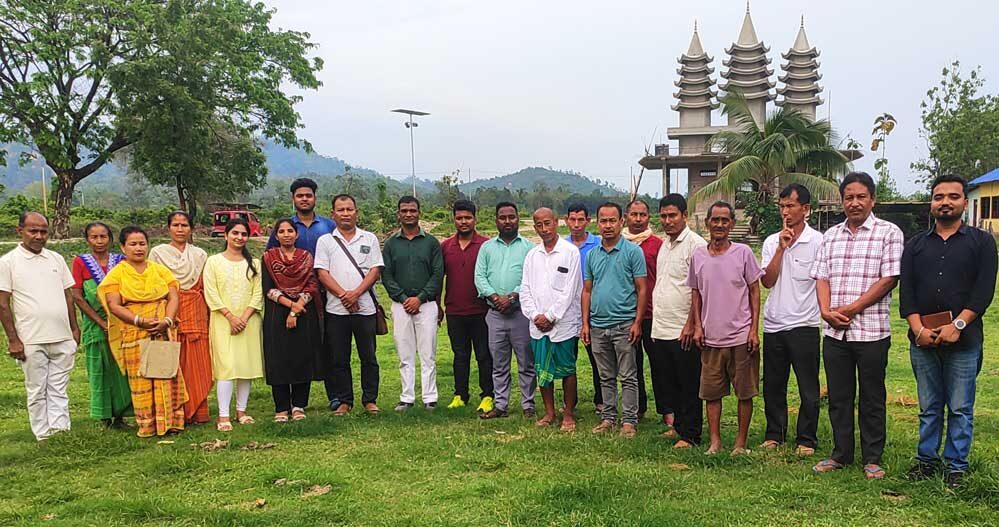
On June 19 and 20, the SLRD field team returned to Udalguri for detailed technical site verifications. The team assessed soil conditions, reviewed available agricultural areas, and examined how future aromatic crop plantations and processing units could be planned across the landscape.
These assessments are helping connect the larger project vision with the practical realities of farming on the ground.
Growing a Circular Economy, Locally
The vision for Udalguri brings together agroforestry, biochar, biofertilizers, aromatic crops, and essential oil value chains—creating opportunities to turn local resources into stronger and more sustainable livelihoods.
But for SLRD, the process is just as important as the outcome.
By bringing together community conversations, farmer participation, and technical field assessments, the initiative is laying the foundation for a model that grows from the ground up—with local communities, local landscapes, and local livelihoods at its core.