4 November 2026
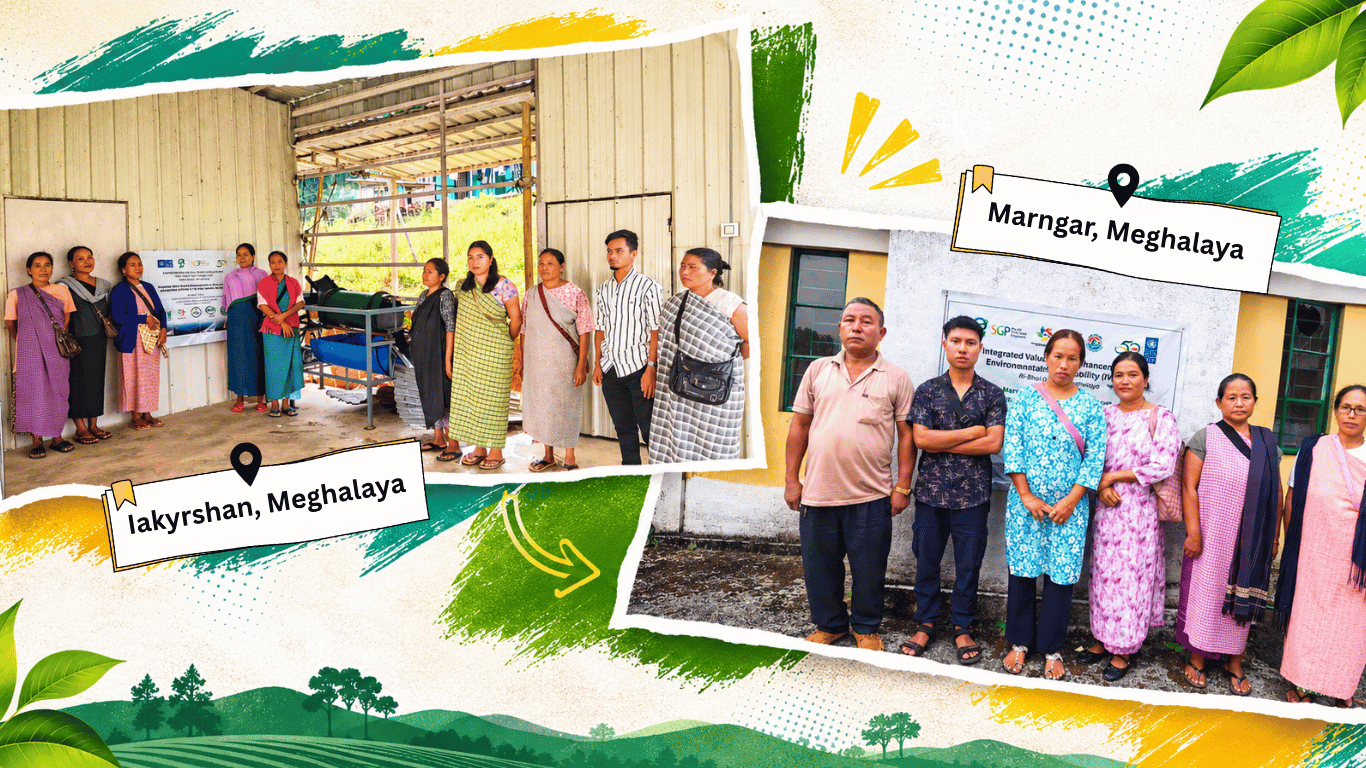
Office of Iakyrshan Cluster Farmers Producer Multipurpose Cooperative Society Ltd., Tyrso Village, Bhoirymbong Block, Ri-Bhoi District, Meghalaya.
Office of Marngar Cluster Farmers Producer Multipurpose Cooperative Society, Madanheh Village, Umling Block, Ri-Bhoi District, Meghalaya.
A good harvest is always a reason to celebrate. But for farmers, bringing that harvest to the market is another journey altogether.
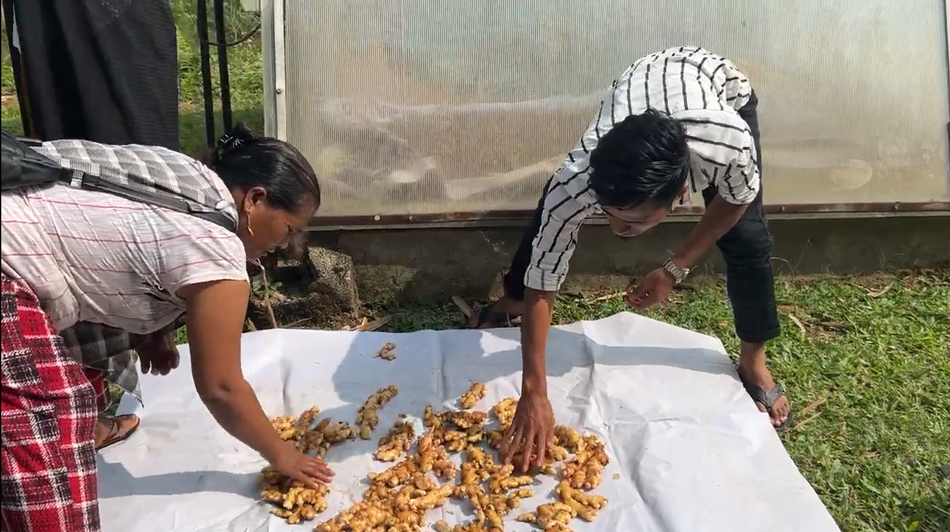
Take ginger, for instance. Once harvested, it needs to be washed, cleaned, dried and, in many cases, processed before it is ready for the market. Each step takes time, labour and the right infrastructure. Without access to suitable equipment and facilities, even a promising harvest can become difficult to manage, limiting the opportunities farmers have to add value to their produce.
Across rural communities, these post-harvest challenges can influence how efficiently farmer collectives operate and how much value they can create from what they grow.
In Meghalaya’s Ri-Bhoi district, efforts to address some of these challenges are taking shape through interventions at two Farmer Producer Organisations (FPOs): the Iakyrshan Cluster Farmers Producer Multipurpose Cooperative Society Ltd. in Tyrso Village, under Bhoirymbong Block, and the Marngar Cluster Farmers Producer Multipurpose Cooperative Society in Madanheh Village, under Umling Block.
Through its Integrated Value Chain Enhancement for Environmental Sustainability (IVCEES) project, supported by the United Nations Development Programme’s Small Grants Programme, Operational Phase 7 (UNDP SGP OP7), the School of Livelihood and Rural Development (SLRD) is working with community institutions to strengthen agricultural value chains, improve rural processing infrastructure and support climate-resilient livelihoods through renewable energy solutions.
At the centre of this approach are farmer collectives. By bringing farmers together, FPOs create opportunities for shared infrastructure, collective enterprise and stronger participation in agricultural markets. However, for these institutions to grow, they also need the facilities and technical support required to manage produce beyond the point of harvest.
Making Post-Harvest Work Easier at Iakyrshan
At the Office of Iakyrshan Cluster Farmers Producer Multipurpose Cooperative Society Ltd., located in Tyrso Village, Bhoirymbong Block, Ri-Bhoi District, ginger and turmeric are among the important agricultural produce handled by the farmer collective.
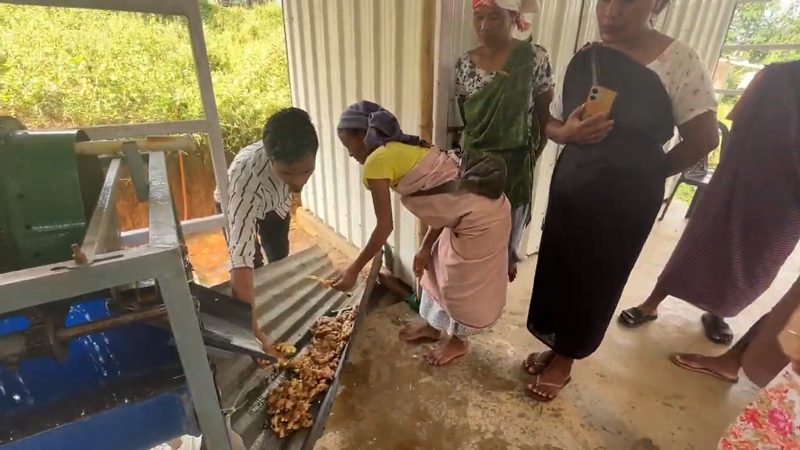
For farmers and FPO members, washing and cleaning these crops can be a labour-intensive process, particularly when the work has to be carried out manually. As the volume of produce increases, the time and effort required can become a challenge.
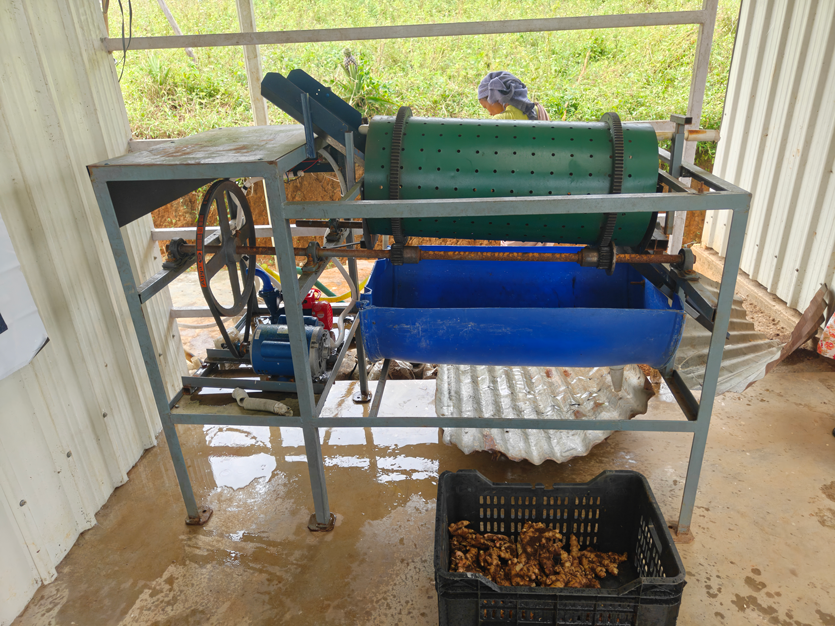
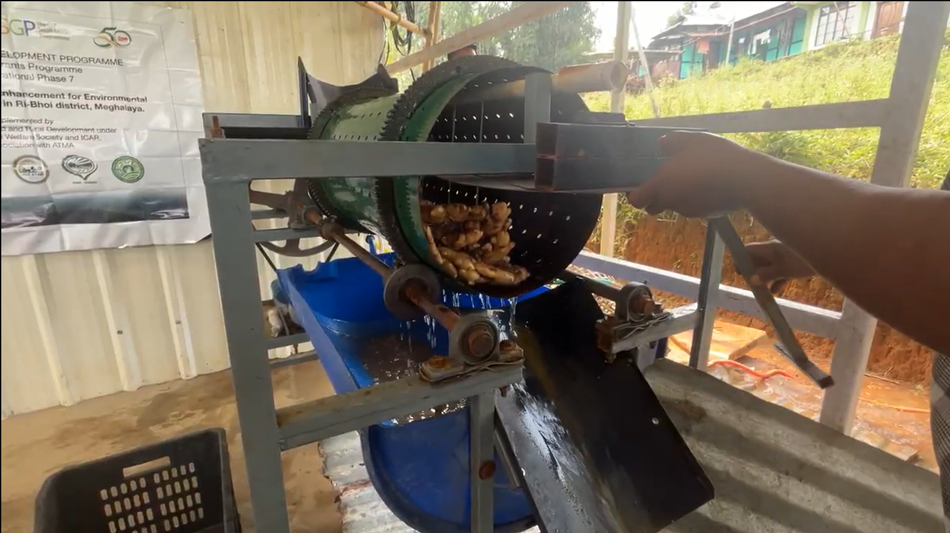
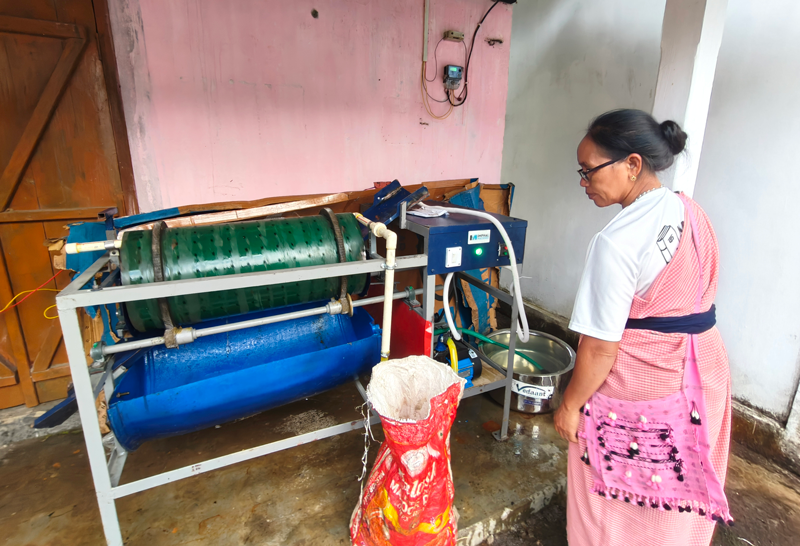
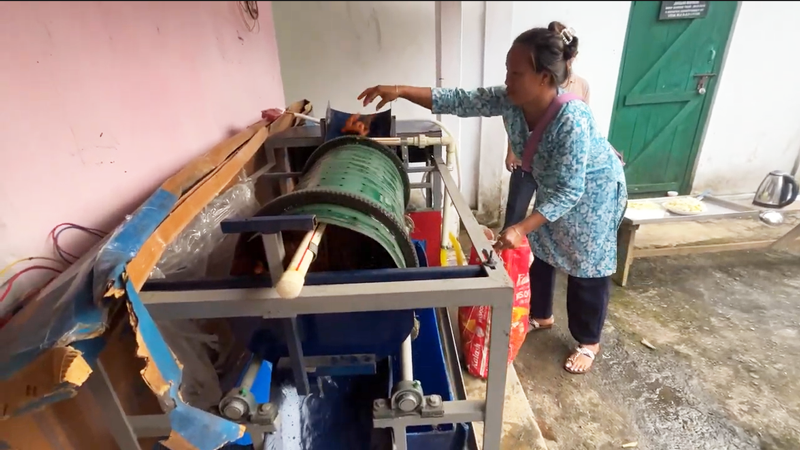
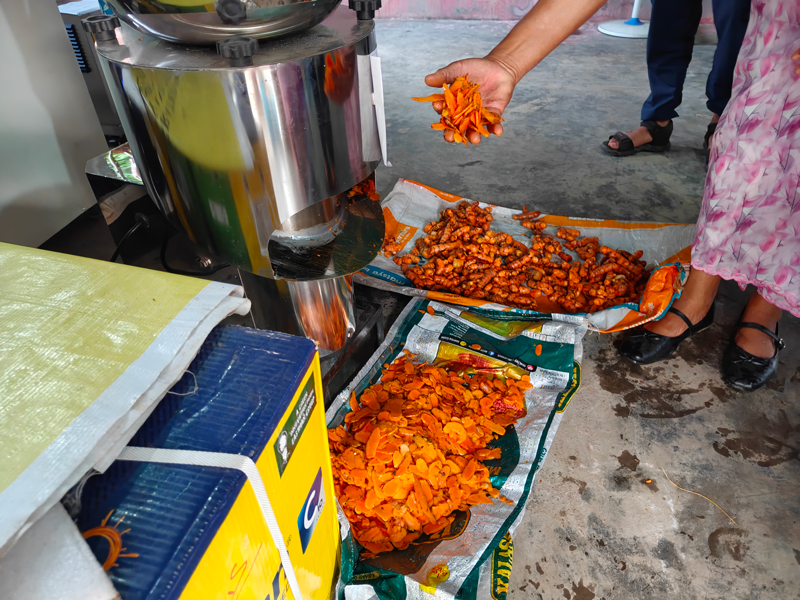
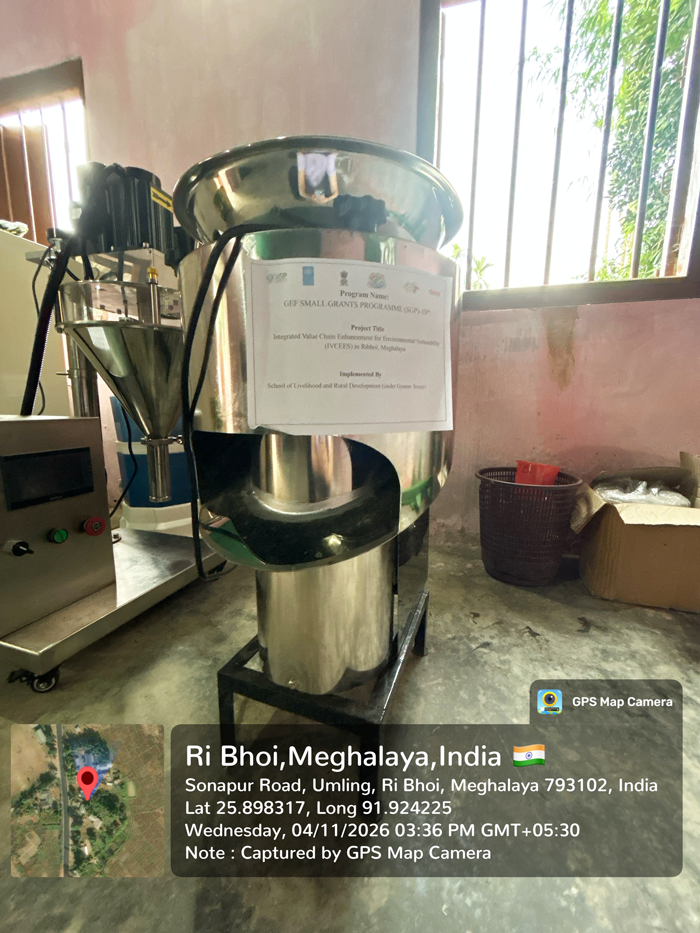
Recognising this need, SLRD facilitated the provision, installation and commissioning of a ginger and turmeric washing machine at the FPO.
The machine is intended to make the cleaning process more manageable, reduce dependence on manual effort and help the collective handle post-harvest processing more efficiently. What was once a time-consuming task can now be supported by appropriate machinery, giving the FPO better means to manage this important stage of the agricultural value chain.
It is a practical intervention, but one that addresses a real need in the everyday operations of a farmer collective.
Building Processing Capacity at Marngar
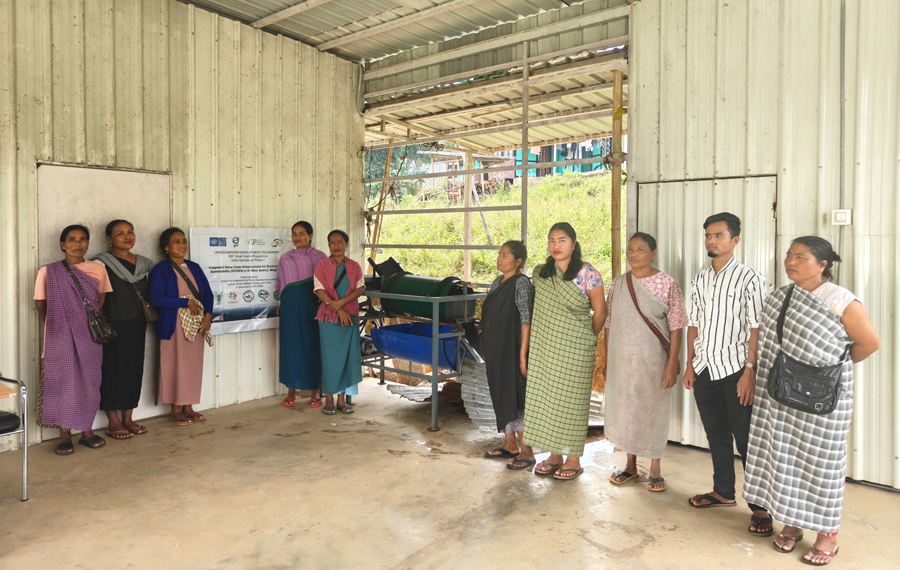
The intervention at the Office of Marngar Cluster Farmers Producer Multipurpose Cooperative Society, located in Madanheh Village, Umling Block, Ri-Bhoi District, Meghalaya, extends across multiple stages of agricultural processing.
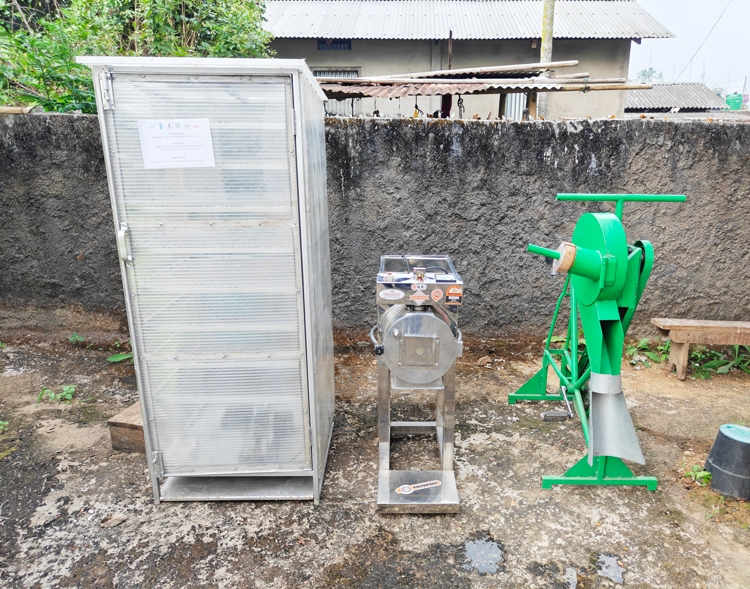
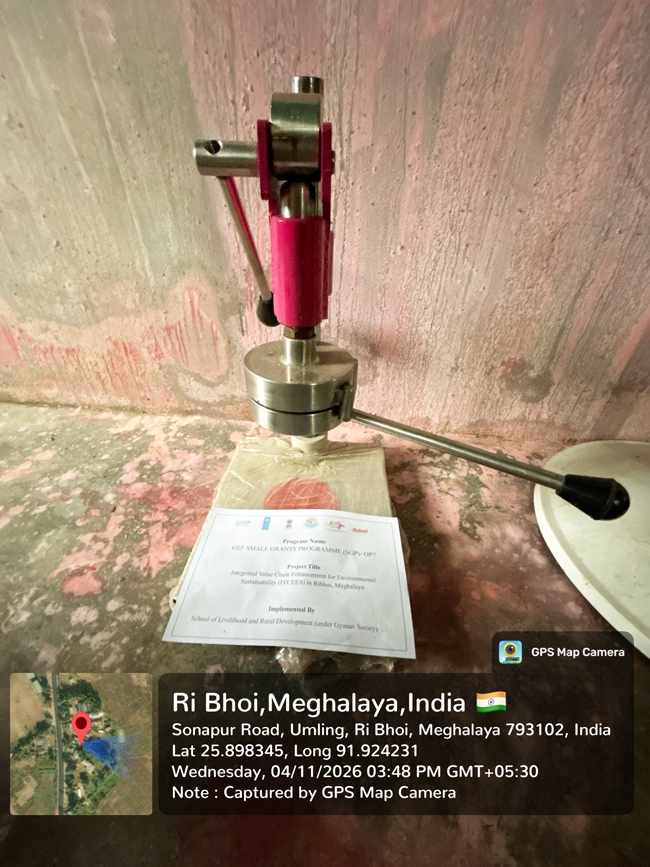
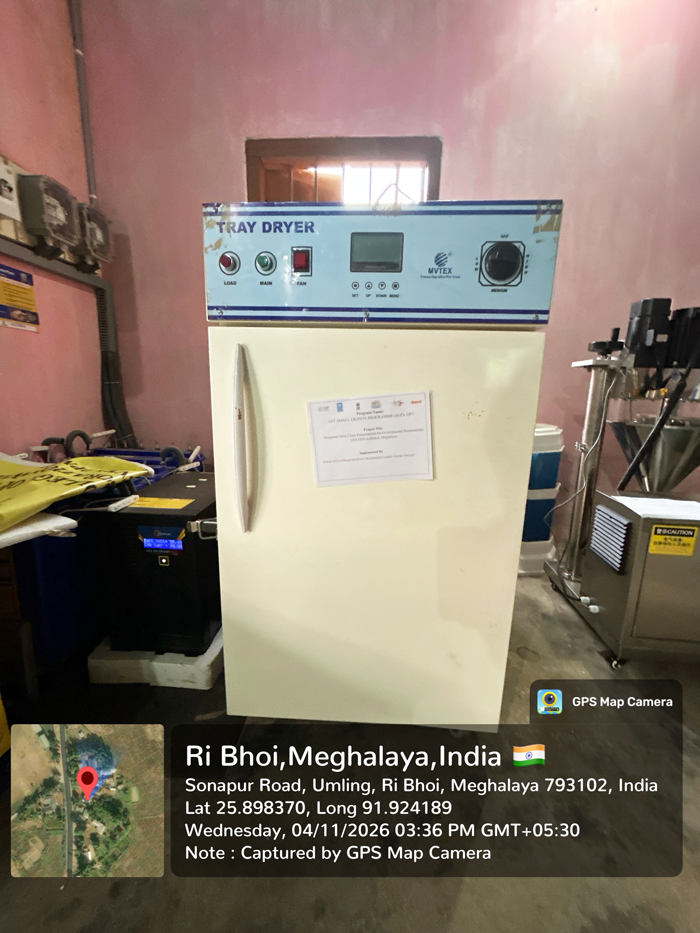
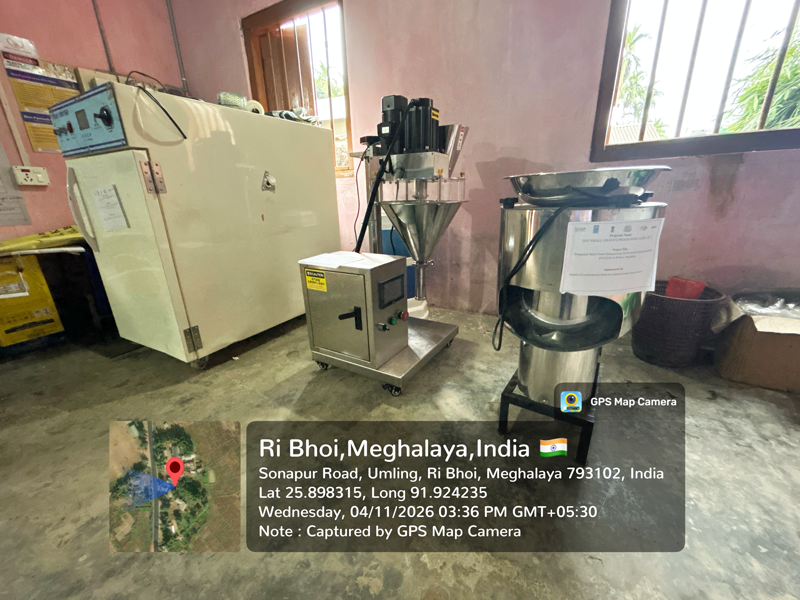
Here, the FPO has access to a ginger washing machine, batch dryer, pouch packing machine, grinder and slicer. These facilities are complemented by solar energy infrastructure provided earlier, which supports the functioning of the processing unit.
During the field visit on 4 November 2026, the machinery was found operational. Discussions with FPO members brought out some of the challenges they had faced earlier. Processing activities often required considerable time and manual effort, and delays at one stage could affect the work that followed.
With the machinery in place, several of these tasks have become easier to manage. The facilities collectively support different stages of processing, from washing and drying to grinding, slicing and packaging. This gives the FPO a more organised setup to work with its agricultural produce and develop its processing and marketing activities.
The solar energy infrastructure adds another important dimension. In areas where grid electricity can be irregular, access to solar power can reduce dependence on conventional electricity supply and improve the reliability of processing operations.
Together, these facilities provide the FPO with infrastructure to work towards greater value addition and more efficient post-harvest management.
Beyond Machinery: Strengthening Community Institutions
Infrastructure alone does not build a stronger agricultural value chain. For facilities to remain useful and contribute to long-term progress, the people managing them must also have the knowledge and confidence to operate and maintain them.
SLRD’s involvement therefore goes beyond facilitating the procurement and installation of machinery. The process includes identifying infrastructure requirements, supporting installation and commissioning, and providing training, technical guidance and handholding to strengthen the capacity of FPO members to use the facilities.
This institutional support is important because the long-term value of an intervention depends on how effectively a community can operate, manage and make use of the resources available to it.
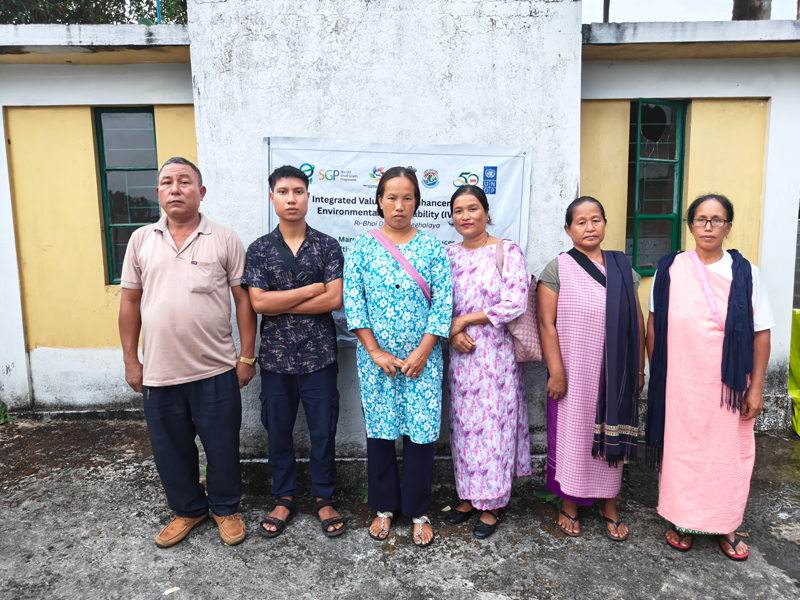
Each of the two FPOs is associated with approximately 250 farmers. The facilities established through these interventions provide a foundation for the collectives to strengthen their processing capacity, explore value addition and improve the way they manage their agricultural produce.
The opportunities will develop over time, shaped by how the FPOs use the infrastructure, organise their activities and connect with markets.
Connecting Climate Resilience with Rural Enterprise
The interventions at Iakyrshan and Marngar form part of the broader objectives of the IVCEES project.
The project works across interconnected areas that contribute to more resilient rural livelihoods.
Climate-resilient livelihoods: Supporting sustainable agricultural practices and livelihood approaches that help rural communities respond to environmental challenges.
Renewable energy solutions: Promoting solar energy support systems for agricultural processing units to reduce dependence on irregular grid electricity, improve operational reliability and encourage more sustainable energy use.
Stronger agricultural value chains: Strengthening processing capacity, value addition and market linkages so that farmer collectives can explore better opportunities for their produce.
These areas are closely connected. Sustainable agricultural practices need supportive infrastructure. Processing facilities need reliable energy. And value addition becomes more meaningful when farmers and their collectives can connect their produce with markets.
By bringing these elements together, IVCEES seeks to strengthen the relationship between environmental sustainability, rural enterprise and economic resilience while recognising the importance of conserving biodiversity and natural resources.
The Journey Beyond the Harvest
The progress of a rural development initiative is not measured only by the machinery installed or the infrastructure established. It is also reflected in what people are able to do with these resources.
At Iakyrshan, a washing machine offers a more manageable way to handle ginger and turmeric. At Marngar, a combination of processing machinery and solar energy infrastructure supports multiple stages of agricultural processing.
For both collectives, these interventions create opportunities to strengthen their operations and build on the work they are already doing.
There is still a journey ahead. Infrastructure needs to be used effectively, institutional capacities need to grow, and stronger market connections must continue to develop. But having the right facilities in place is an important step towards making that progress possible.
As SLRD continues its work with rural communities, the experience of these two farmer collectives offers practical learnings on how appropriate technology, renewable energy and institutional support can come together to strengthen agricultural value chains.
Because the success of rural development is ultimately measured by what changes in people’s lives long after a project intervention is complete. And that is the journey SLRD continues to build, one community at a time.
About the Project
The Integrated Value Chain Enhancement for Environmental Sustainability (IVCEES) project is implemented by the School of Livelihood and Rural Development (SLRD), with support from the United Nations Development Programme’s Small Grants Programme, Operational Phase 7 (UNDP SGP OP7).
The project focuses on strengthening climate-resilient livelihoods through sustainable agriculture, renewable energy solutions, improved agricultural value chains, market linkages and value addition, alongside the conservation of biodiversity and natural resources.