The morning of 26 February 2026 broke gently over the rolling hills of Ri Bhoi, Meghalaya. Mist rested softly over the fields, and the earth waited for another season of sowing.
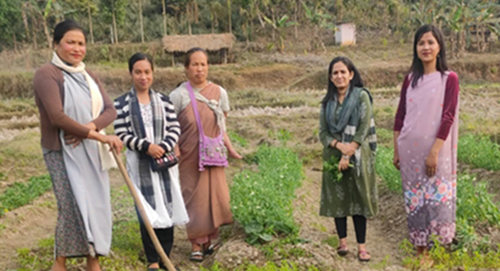
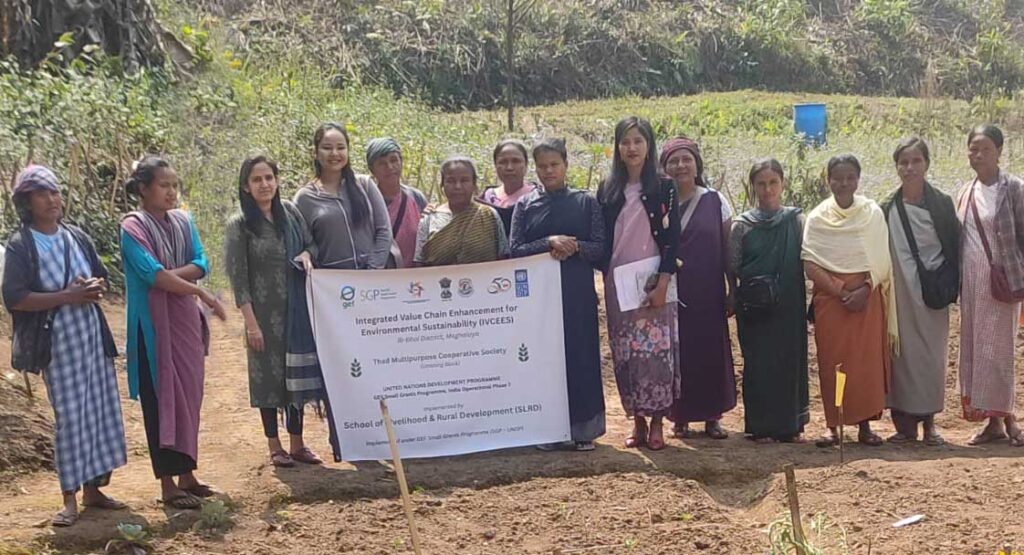
More than institutions—these collectives are shared strength and a collective will to grow.
Integrated Value Chain Enhancement for Environmental Sustainability

As the team from the School of Livelihood and Rural Development (SLRD) arrived in Umling and Umsning, they were not just entering villages. They were stepping into lived realities shaped by land, effort, and aspiration.
At the heart of these villages were the farmers of Thad Multipurpose Cooperative Society and Marngar Cluster Farmer Producer Multipurpose Cooperative Society. These collectives represented more than institutions. They reflected shared strength and a collective will to move forward.
This engagement was part of the Integrated Value Chain Enhancement for Environmental Sustainability (IVCEES) initiative, being executed under the UNDP Small Grants Programme, with technical and institutional support from TERI (Tata Energy Research Institute), and implemented by SLRD in collaboration with ICAR ATARI Zone VII and Krishi Vigyan Kendra Ri Bhoi.
Listening to the Land, Listening to the People
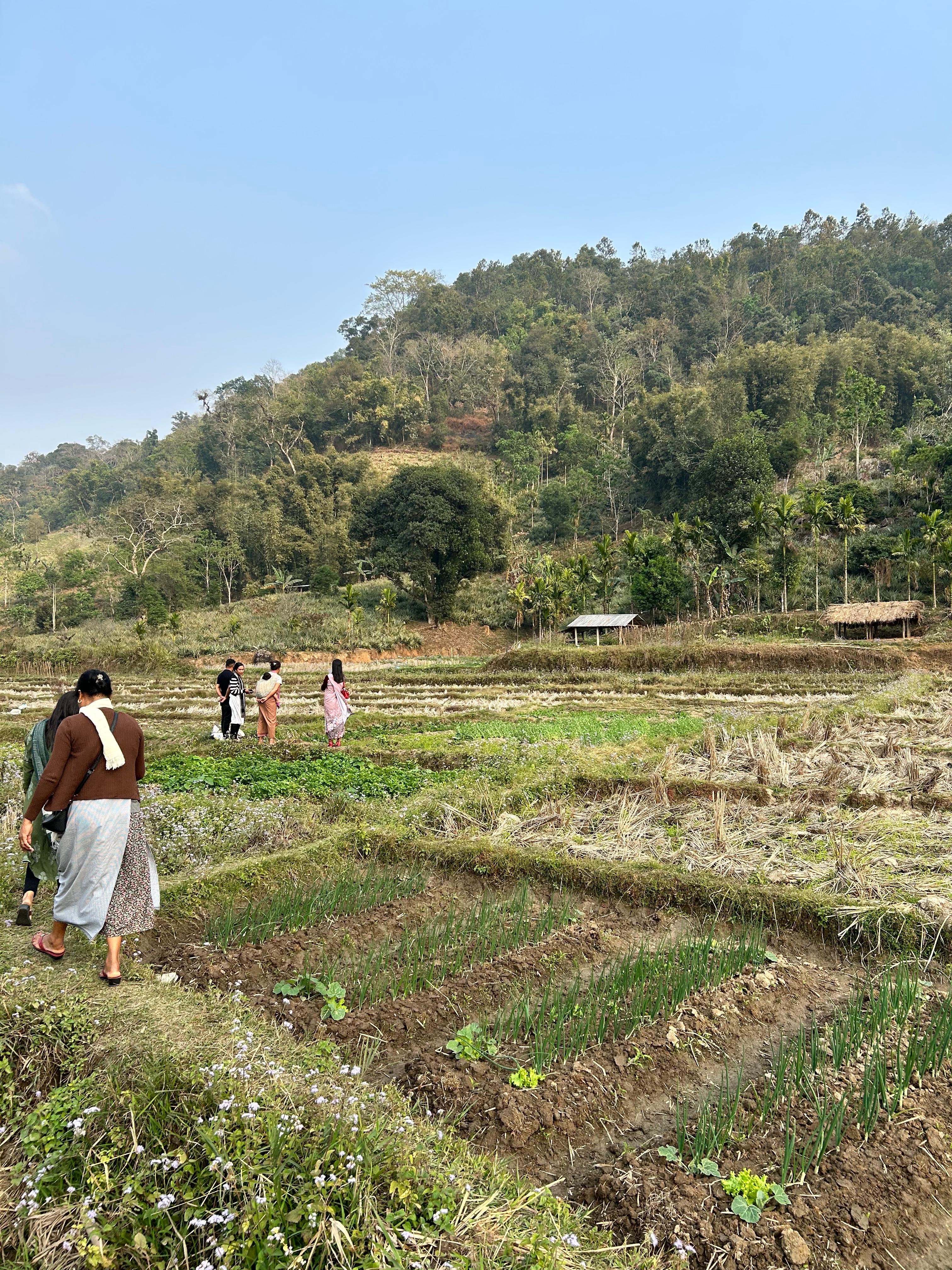
Farmers gathered under open skies, carrying with them experiences shaped by seasons.
They spoke of the months ahead.
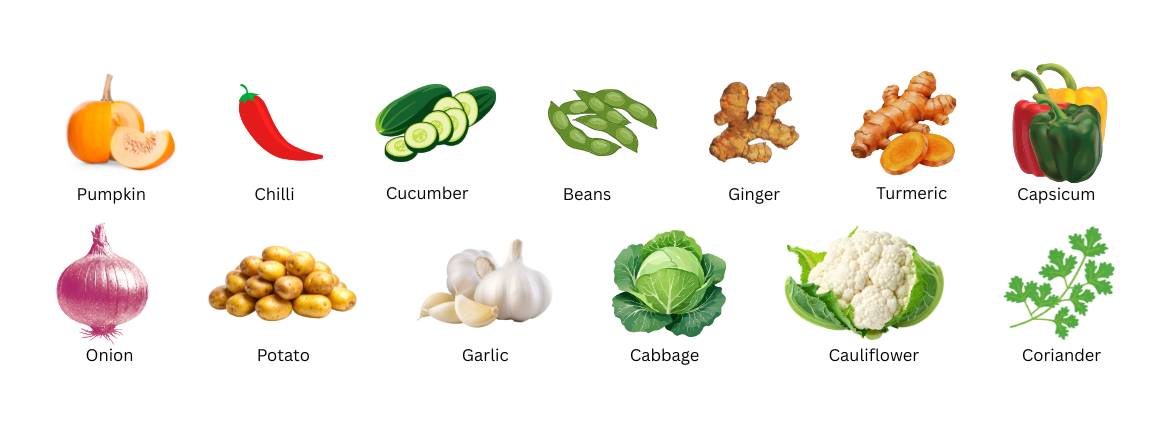
Fields would soon be filled with pumpkin, chilli, cucumber, beans, ginger, turmeric, capsicum, onion, potato, garlic, cabbage, cauliflower, and coriander. Preparations for rice cultivation would begin from May, marking the transition into the next major cycle.
There was optimism in their plans.
Challenges Faced Daily
- Limited access to quality seeds and inputs
- Pest and disease challenges affecting crops
- Weak and uncertain market linkages
- Fluctuating prices reducing profitability
- Lack of storage and post harvest infrastructure
These challenges continue to impact productivity and income, despite the effort invested by farmers.
Walking Through Fields, Discovering Possibilities
The discussions extended into the fields.
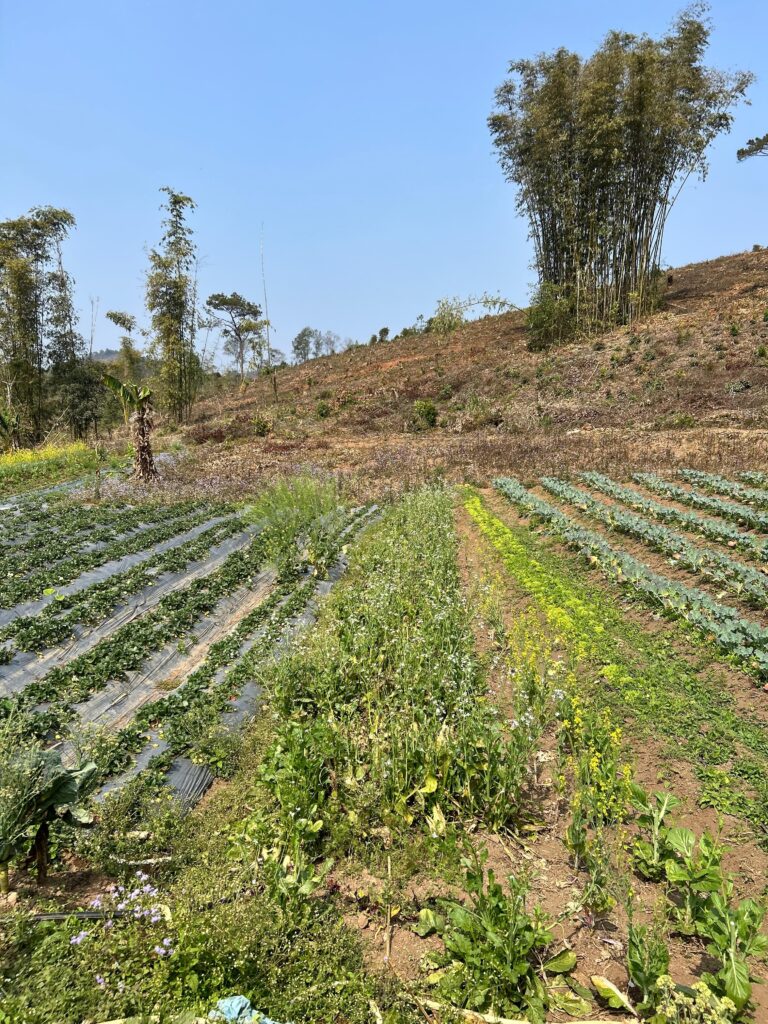
At a pineapple cultivation plot, farmers and the visiting team observed crop conditions and current practices. The field became a space for dialogue on what can be improved and how.
Solutions Discussed
- Nursery development for quality planting material
- Intercropping systems to improve land use efficiency
- Adoption of biopesticides and biofertilizers
- Improved crop planning aligned with market demand
These approaches are aimed at strengthening both productivity and long term sustainability.
Building Convergence and Strengthening Capacity
The visit highlighted the importance of connecting farmers with institutions, knowledge systems, and resources.
Through the IVCEES initiative, SLRD is working in collaboration with ICAR ATARI Zone VII, Krishi Vigyan Kendra Ri Bhoi, and Agricultural Technology Management Agency to strengthen farmer capacity and support systems, with guidance and support from TERI under the UNDP Small Grants Programme.
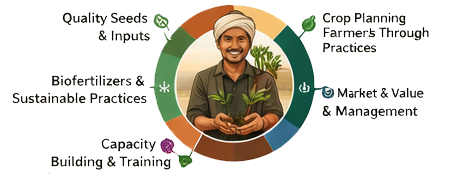
The way forward includes:
- Facilitating access to quality seeds and inputs
- Promoting use of biofertilizers and sustainable practices
- Organising capacity building and skill development programmes
- Strengthening crop planning and farm management knowledge
- Improving access to markets and value chains
This approach ensures that farmers are not working in isolation, but are supported through an integrated system.
A Shared Commitment to Sustainable Agriculture
The field visit reaffirmed a shared commitment between SLRD and its partner institutions.
The focus remains on building strong farmer collectives that are capable of adopting sustainable practices while also improving their participation in markets.
Through continuous engagement, technical support, and institutional convergence, the IVCEES project aims to create a system where agriculture becomes more resilient, productive, and economically viable.
The Story Continues
In Ri Bhoi, change is gradual but meaningful.
It begins in conversations, grows through knowledge, and strengthens through collective action.
With the right support and continued collaboration, these efforts will contribute to improved livelihoods, stronger value chains, and a more sustainable future for farming communities.
And this is only the beginning.