




How smallholder farmers and women’s collectives in Meghalaya are transforming livelihoods through sustainable agriculture, intercropping, and community-led value chains — under the SLRD IVCEES Project.
SLRD IVCEES
Location: Ri-Bhoi District, Meghalaya
Block: Umsning & Tyrso
6 Case Studies
SLRD IVCEES – Integrated Value Chain Enhancement for Environmental Sustainability
Technical Partner: ICAR – NER
Supported by: UNDP Small Grants Programme (SGP) / GEF
SLRD IVCEES Project · About this collection
Stories from the field
These case studies capture the lived experiences of farmers in Thad and Tyrso villages who participated in training workshops, demonstration farms, and institutional programmes under the SLRD IVCEES Project. Each story reflects a shift — from vulnerability to resilience, from isolation to collective strength.
SLRD IVCEES · Crop Diversification · Intercropping
Intercropping of Sweetcorn and Groundnut
SLRD IVCEES Project · Thad Village, Umsning Block, Ri-Bhoi District
Farmer: Ms. Deigracia Rangtong
Village: Thad Village, Umsning Block
Farm Size: 2 hectares
System: Sweetcorn + Groundnut
Background
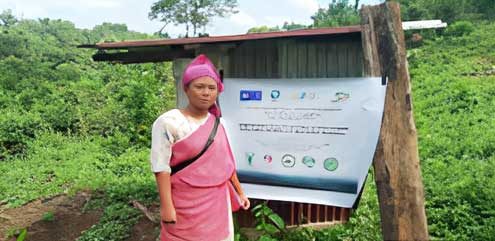
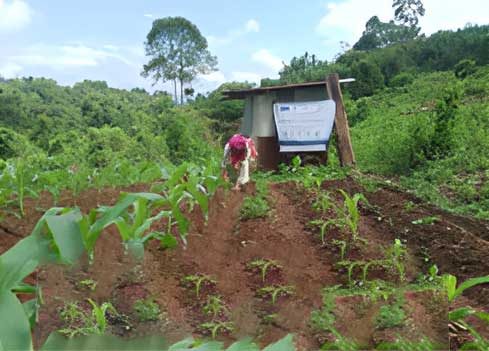
Ms. Deigracia Rangtong had long relied on monocropping of groundnut, leaving her vulnerable to production risks. After attending the Crop Diversification Workshop under the SLRD IVCEES Project (SGP–GEF), she gained practical insights into intercropping systems and reassessed her farming approach entirely.
SLRD IVCEES Intervention
- Mandala Garden demonstration zone in the Umsning–Umling belt
- Circular segmented beds with cabbage, carrots, lettuce, coriander, cucumber, brinjal & chilli
- Preparation and use of Jivamrut— traditional liquid organic manure
- Integrated pest management withTrichodermaand selective insecticides
SLRD IVCEES · Key outcomes
- Year-round vegetable production
- Water-efficient farming
- Women empowered
- Better household nutrition
- Community inspiration
Women’s Collective · Permaculture
From Monocropping to Mandala: Women of Lumsohpieng SHG Cultivate Change
Group: Lumsohpieng SHG
Village: Thad Village, Umsning Block
Approach: Mandala Garden (Permaculture)
Crops: 8 vegetable varieties
Background
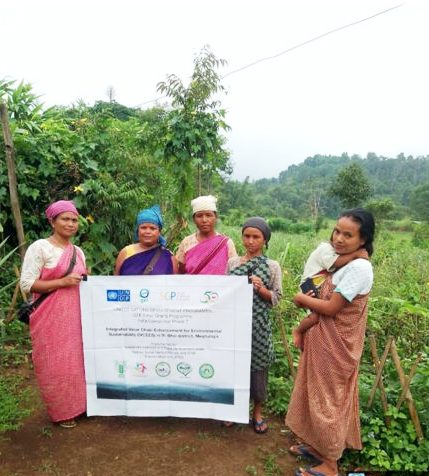
Women farmers of the Lumsohpieng SHG grew conventional crops with limited variety and seasonal produce, with little resilience to weather shocks. After attending the SGP–GEF Crop Diversification and Permaculture Workshop, they learned climate-smart techniques including permaculture-based Mandala Gardens..
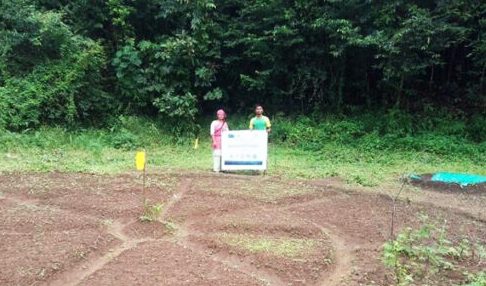
Intervention
- Established Mandala Garden demonstration zone in Umsning–Umling belt
- Circular segmented beds for cabbage, carrots, lettuce, coriander, cucumber, brinjal, and chilli
- Preparation and use of Jivamrut— traditional liquid organic manure
- Integrated pest management using Trichoderma and selective insecticides
Key outcomes
- Year-round vegetable production
- Water-efficient farming
- Women empowered
- Better household nutrition
- Community inspiration
Livestock · Piggery Management
Improving Livelihood through Scientific Piggery Practices
Farmer: Mr. Kenestarfield Rangtong
Village: Thad Village, Umsning Block
Organisation: Thad Multipurpose Co-operative
Income (piglet): ₹15,000 – ₹20,000
Background
Mr. Rangtong previously kept pigs in a single cramped shed with poor ventilation and poor disease management. After attending the Workshop-cum-Training on Scientific Piggery Practices under the SGP–GEF Project, he set about upgrading his entire setup.
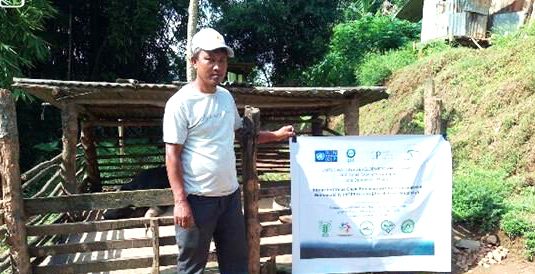
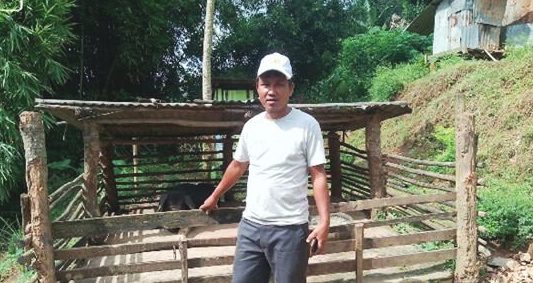
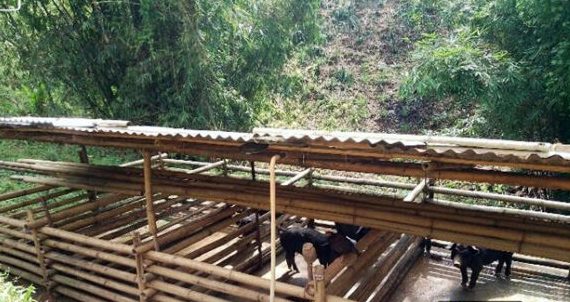
Intervention
- Constructed 4 new sheds with ventilation, drainage, and space for movement
- Scientific rearing: piglets with mother for 40–45 days, separated at 60 days
- Nutritious feed: green vegetables, azolla, calcium & multivitamins for pregnant sows
- Strict hygiene and proactive disease & pest prevention protocols
Key outcomes
- Improved animal welfare
- Reduced disease incidence
- Piglet market-ready in 2 months
- Sow income up to ₹35,000
- Community replication model
Crop Diversification · Soil Management
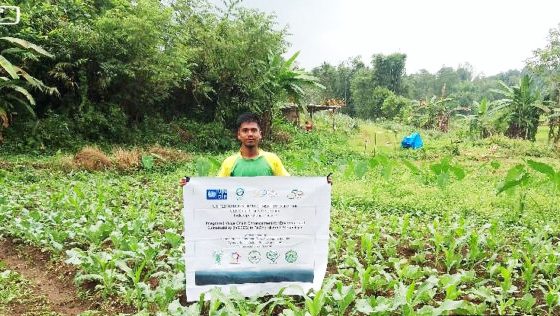
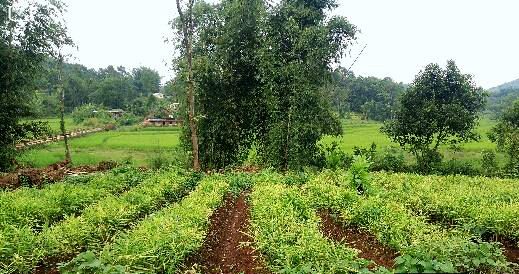
From Learning to Practising – Intercropping and Mulching for Better Productivity
Location: Umsning Block, Ri-Bhoi
Crops: Sweetcorn, Cabbage, Cauliflower
Inputs: Seeds from ATMA, BABA biopesticide
Background
Prior to the IVCEES Crop Diversification Workshop, this farmer followed traditional monocropping with high input costs, declining soil fertility, and low resilience to pests. She had limited awareness of sustainable agricultural practices.
Intervention
- Intercropping of sweetcorn, cabbage, and cauliflower at 30 cm line spacing
- Seed treatment with dried cow dung and Trichoderma
- Organic mulching to conserve soil moisture and suppress weeds
- BABA biopesticide applied at knee-height stage for pest control
- Manual rainwater and groundwater irrigation management
Key outcomes
- Healthier crop growth
- Reduced pest incidence
- Better moisture retention
- Stable income from diversity
- Peer knowledge-sharing
FPO Linkages · Resilient Farming
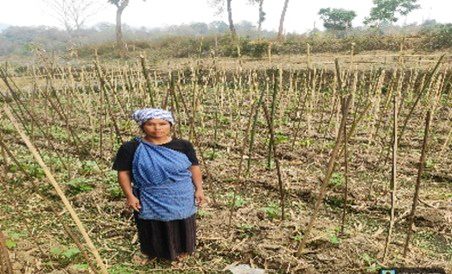
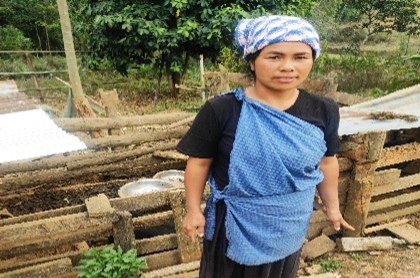
A Pathway to Resilient Farming: The Story of Mrs. Merun Masynting
Farmer: Mrs. Merun Masynting, 38
Village: Tyrso Village, Ri-Bhoi
Farm Size: 5 acres
Linkage: Farmer Producer Organisation (FPO)
Background
Mrs. Masynting cultivates paddy, ginger, pineapple, broom grass, turmeric, and vegetables on 5 acres, and also keeps bees, chickens, pigs, and cattle. Despite her experience, she faced limited access to pest management knowledge, irrigation, market information, and institutional support.
“Joining the farmer organisation has been a blessing. It has helped bridge the gap between farmers and government support systems.”
— Mrs. Merun Masynting
Interventions
- Capacity building on pest management and crop diversification
- Institutional linkages to government schemes and technical guidance
- Improved access to quality seeds and agricultural inputs
- FPO membership for collective knowledge-sharing
- Market awareness and collective marketing opportunities
Key outcomes
- Scientific farming knowledge
- Better input access
- Government scheme linkages
- Boosted confidence
- Stronger food security
Diversified Farming · FPO Networks
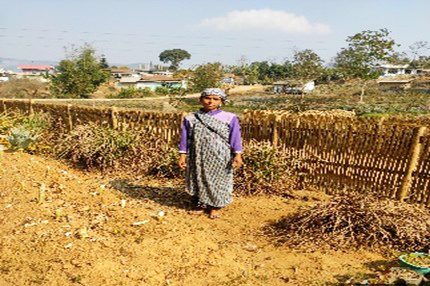
A Journey Towards Sustainable Farming: The Story of Mrs. Riewbha Sten
Farmer: Mrs. Riewbha Sten, 42
Village: Tyrso Village, Ri-Bhoi
Farm Size: 12 acres
Also engaged in Fish farming & livestock
Background
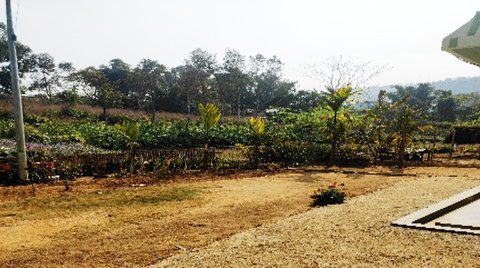
Mrs. Riewbha Sten cultivates paddy, ginger, pineapple, broom grass, betelnut, lemongrass, turmeric, and vegetables across 12 acres, and is also engaged in fish farming and rearing chickens, pigs, and cattle. Despite extensive experience, she faced gaps in pest management, irrigation, and access to institutional support.
Interventions
- Capacity building on improved agricultural practices and pest management
- Access to quality seeds, inputs, and farming resources
- Institutional linkages with agricultural departments and government schemes
- Active FPO participation for peer knowledge-sharing and collective growth
- Market linkages and awareness of price trends
Key outcomes
- Scientific farming skills
- Better input access
- Government scheme linkages
- Expanded agricultural activity
- Improved household income