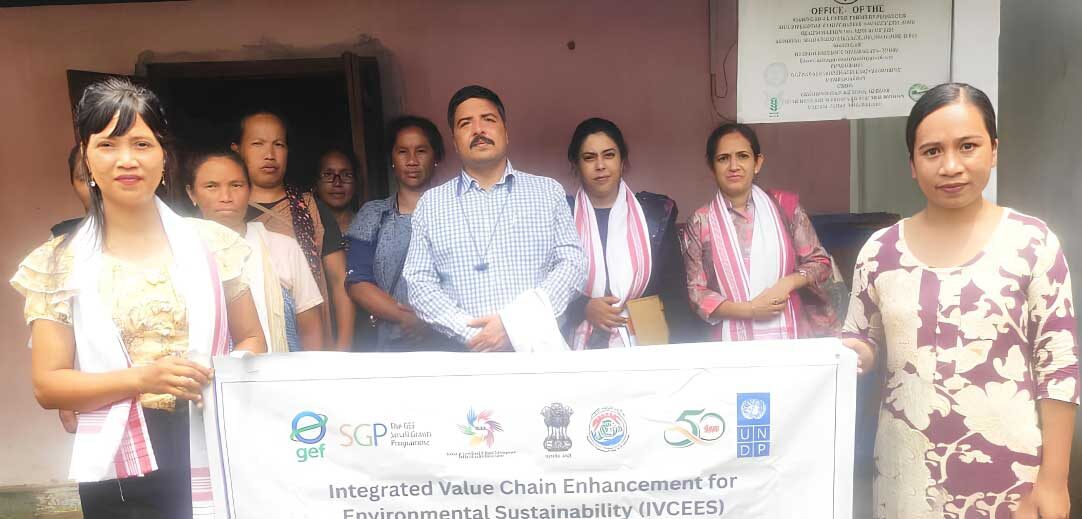
TERI and UNDP delegation reviews SLRD’s IVCEES project in Ri-Bhoi, Meghalaya
In the hills of Ri-Bhoi, a freshly commissioned turmeric processing plant is turning a raw harvest into something that holds its value. Last week, that plant took centre stage as a senior delegation walked the ground to see how far the work has come.
The School of Livelihood and Rural Development (SLRD) hosted a project review visit under the Integrated Value Chain Enhancement for Environmental Sustainability (IVCEES) initiative, implemented in partnership with the United Nations Development Programme (UNDP). The visit paired an on-ground site inspection with a review meeting at the district administration, keeping the day grounded in one question. Is this work improving the lives of farmers.
Who was on the ground
The delegation brought together technical leadership and field experience:
- Dr Dipankar Saharia, Senior Director, TERI
- Dr Manish Kumar Pandey, National Coordinator, Small Grants Programme, TERI
- Ms Sounika Karmakar, Regional Coordinator, TERI
- Dr Kasturi Goswami, Scientific Officer, SLRD
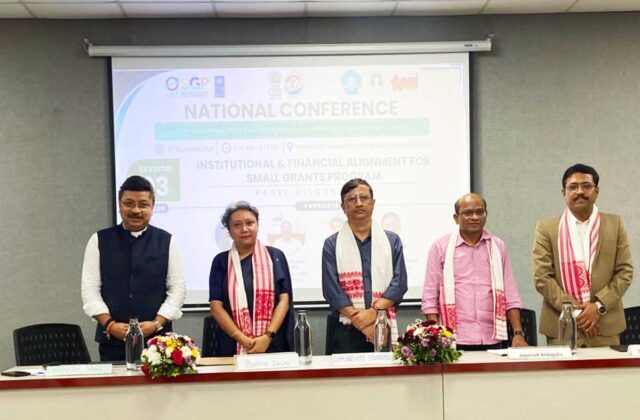
The team carried out the site inspection on Friday, followed by a review meeting with Deputy Commissioner Dr Abhishek Saini.
At the plant, listening to the people who use it
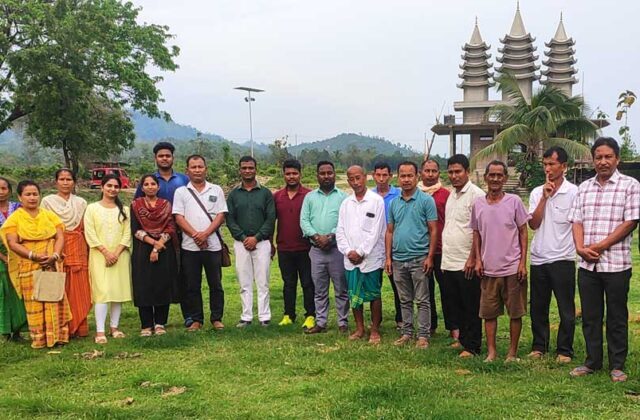
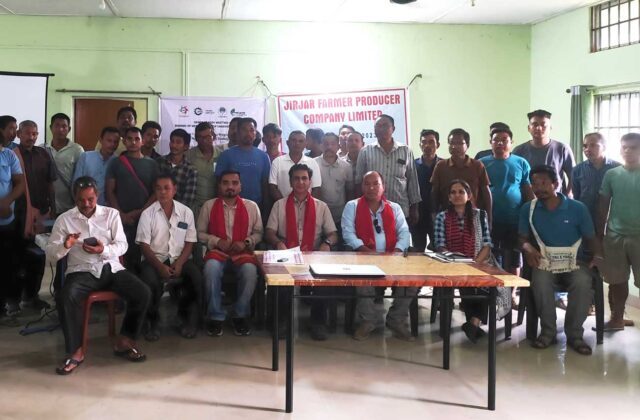
During the site visit, the delegation went straight to the source. They sat with representatives of Marngar, one of the four Farmer Producer Organisations partnering on the project, and gathered feedback on the recently established turmeric processing plant.
The plant is a key value-addition intervention under IVCEES. Instead of selling raw turmeric at whatever the market offers, farmers can now process locally, capture more of the value, and reach buyers on stronger terms. Hearing directly from the people running it is how the project stays honest about what is working and what needs sharpening.
At the review meeting, a clear signal on business models
Deputy Commissioner Dr Abhishek Saini expressed satisfaction with the progress made so far. He encouraged the project team to build robust business models for the participating FPOs, so that each producer organisation can stand on its own commercially and keep delivering for its members.
He also underlined the importance of continued advocacy around the value and relevance of these interventions for the region’s farming communities. In short, prove the model, then tell its story widely.
The message from the review was practical and future-facing. Get the numbers right for the FPOs, and keep making the case for why this work matters to Ri-Bhoi’s farmers.
The scale behind the visit
IVCEES is not a single-village pilot. The project works with four FPOs, engaging over 1,800 farmer members across approximately 1,500 hectares of cultivated land in Ri-Bhoi district.
Its core objectives hold income and ecology together:
- Building climate-resilient livelihoods through sustainable agriculture and agroforestry
- Introducing renewable energy solutions such as solar-powered water pumps and decentralised cold storage
- Strengthening market linkages and value-addition to raise farmer incomes
- Conserving biodiversity and natural resources for long-term environmental sustainability
Why it matters
The turmeric plant, the solar pumps, the cold storage, and the FPO business models are not separate ideas. They are one chain, designed so that a better environment and a better income arrive together rather than at each other’s expense. Friday’s visit was a reminder that the real test of that chain is not on paper. It is in the plant, with the farmers, and in whether the next harvest earns them more than the last one. SLRD thanks the TERI and UNDP teams and the Ri-Bhoi district administration for their continued partnership, and looks forward to the next phase of work alongside the four partner FPOs.